
We Need A Creative Revolution…And It Starts With You
An essay on why we need to shift the power dynamics in creative industries & how to get started.
The creative economy brings in billions of dollars annually and creates millions of jobs worldwide. Yet creative professionals of color, the innovators and backbone of the industry, are consistently underpaid, undervalued, and unemployed.
As the profits continue to grow for companies, professionals are put under immense pressure to perform, exploited for labor, and then laid off when it’s time for budget cuts. What’s worse is that this isn’t an accident or isolated incident; this is by design.
And I’m not okay with that. You shouldn’t be either.
Before you go any further, you should know that I am one of those professionals I’m talking about. And I’m writing this piece to show why this current pay disparity is a harmful practice that we must discontinue for the betterment of our society. So who is this really for?
This is for three types of people:
The first is creative professionals of color aka the “specialists employed for the extraction of skills in creative endeavors”. A longer definition is “someone who uses their imagination and creativity to develop unique and cutting-edge goods, services, or experiences. They might work in a range of industries such as technology, marketing, writing, design, finance, the arts, and more”. They are the ones doing the work and bringing all of the money in.
Next up are the C-Suite leaders aka “the senior executives at an organization responsible for making the key strategic decisions that affect the business as a whole”. Their positions include chief executive officer, chief finance officer, head of marketing, communications, strategy, etc. They are part of the leadership team at some of the most innovative companies out there. They are the ones hiring (and firing) the creative professionals.
And lastly, the customers aka “the people or organizations that buy goods or services from businesses”. They are the ones who are the most influenced by the creative professional’s work, which often leads them to purchase from the company producing it.
Together, these three groups act as the key players in “the creative ecosystem”. But all roles are not paid equally here.
The Case For Creativity
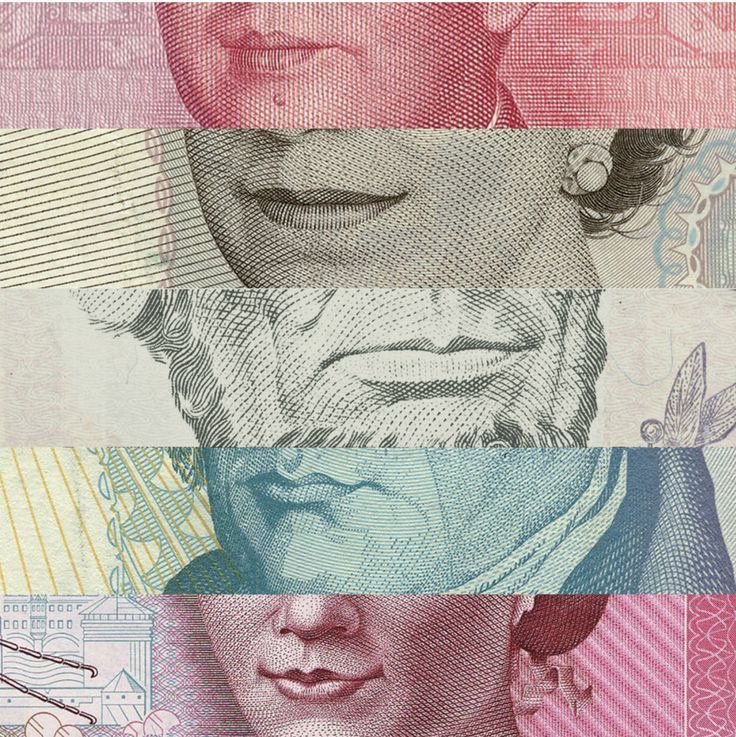
According to a report from The Policy Circle, “Today, the creative economy is worth an estimated $985 billion…Deloitte predicts that by 2030, there will be up to a 40% growth in the creative industry. And currently the creative industries account for 3.1% of global GDP, generate annual revenues of over $2 trillion, and account for nearly 50 million jobs worldwide.”
I’m not going to lie to you, some of these numbers don’t even feel real. But if you think about it, it makes sense.
Look at all of the streaming services we watch our favorite films and shows on. Or how about the games we buy for our consoles and computers?
Then there’s the music that we listen to (and experience everywhere) or the artwork/aesthetic that we see in our neighborhoods. Not to mention all of the merchandise, clothing, and tech you buy during the holidays (or the inescapable ads that persuade you to buy them).
Behind all of the products that we like, buy, and consume there is a professional out there strategizing, designing, marketing it, and more. And right now, they are struggling to feed their families and pay their rent, even though the companies they work for continue to prosper off of their efforts.
Did you know that a career in creativity is unable to sustain your cost of living, especially if you are a professional of color? According to Adobe, “white men and women creatives earned an average of $62 per hour compared to BIPOC (Black, Indigenous & People of Color) creatives, who earned $49 per hour — a disparity equal to 21% less.” On top of that, 45% of creators have multiple income streams and 58% of content creators have a full-time job in addition to their creative work.
If our entire world thrives off of creativity(which it does) and if creatives of color are the ones shaping culture, setting trends, and driving the economy(which we are), why don’t our contracts and salaries reflect that? How is it that a thriving economy that creates millions of jobs doesn’t create job security or financial stability for the people putting the work in?
The Deeper Issue
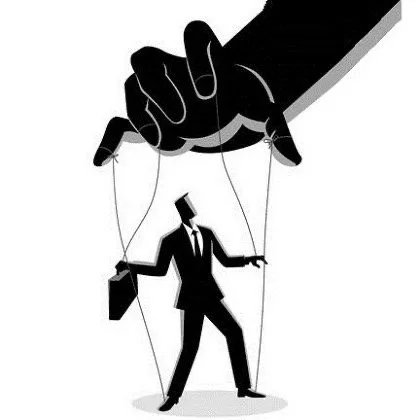
Here’s the truth: Things are the way they are because those in power benefit from upholding a system that exploits labor, suppresses the spirit, and keeps people under control. They’re not concerned with equity or advancement because they are thriving with the way things are.
And in order to keep things the way they are, they have to make sure that those “beneath” them stay in line. Like this scene from the movie “A Bug’s Life” shows us “if you let one ant stand up to us, then they all might stand up.”
These are not the companies who want to make the world a better place. They are not interested in helping the planet or the people in it. All they care about is profit and creating a workforce that does what they want, when they want, no matter the cost to them.
Anti-capitalist business coach Nora Rahimian says “If money wasn’t an issue, everyone says they would pursue some kind of art. It is by design that art is undervalued and undercompensated. Because art has the ability to radically change the way we think and feel and act. Art is a threat to the status quo and to the state.” And her words ring true.
The Impact of Art
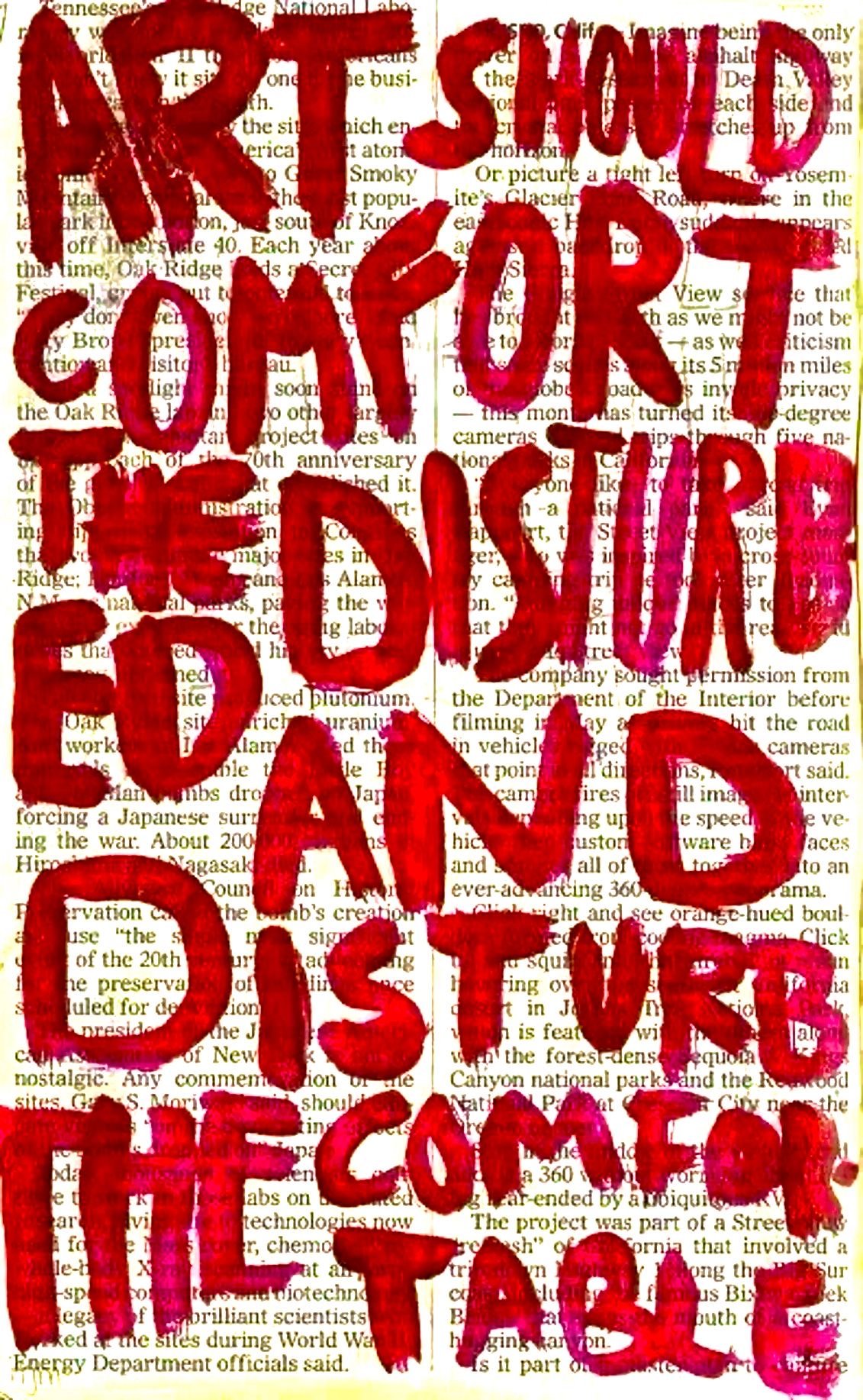
Think about it. Throughout history, art has reflected the times of the people, provided social and political commentary, and have even inspired movements of liberation. Creativity is not just profitable (as we can clearly see), it’s truly impactful and has the power to transform our world.
For example, as Art Business News points out “the AIDS Memorial Quilt was created as an expression of both grief and defiance with regard to HIV/AIDS. It is a powerful reminder of the courage and determination of its creators who used this art form to not only memorialize victims of the disease but also raise awareness around it. Ultimately, this artwork inspired action that led to changes in public health policy, including improved access to testing and treatment — something that undoubtedly changed the world we live in over time.”
Creative professionals of color are able to create impactful art on a high level. But the threat of food insecurity, poverty and homelessness is a real thing. And if your needs aren’t met, it’s incredibly hard to create life-changing art. You’re too focused on surviving…which means you won’t do anything to jeopardize that survival. Protesting the injustices of the world becomes too risky and you’re too exhausted to rally for change. You become more fearful of losing your job than you are of losing your voice. This is what sacrificing “impact” for “income” can look like.
The Negative Effects
So how will this affect our creative ecosystem?
Well, for starters, creative professionals will be burnt out from the stress of the industry which could cause severe mental health issues. Mental Health America states “Depression is the most commonly reported condition across BIPOC. Additionally, racial trauma can increase the risk of BIPOC meeting the criteria for PTSD.”
In addition to feeling discouraged and replaceable, they will be forced to leave the industry due to low pay or layoffs. Some will branch off to start businesses but only a few will make it in the industry long term. Others will leave. And it’s the companies and customers that will suffer the most from this absence.
Which brings us to the C-Suite leaders, who often deal with decision-makers who don’t understand the value of creative work. So that will be the first thing they cut in the budget, which will force those leaders to let go of talented people and work double time to fill in the gaps. The pressure isn’t off either, because you’re still expected to produce quality work and results even though you have a smaller (and probably less experienced) team. And good luck retaining talent under those conditions. If you’re really unlucky, they may just replace your leadership role with AI.
And don’t forget the customers. They’ll never be introduced to the products/services that make their life better because they’re constantly fed things they didn’t ask for. Their engagement will decrease because they’re uninspired and bored by the companies.
And they won’t continue to be loyal to companies who make them feel unseen, unheard, and unimpressed. Eventually, their money will go elsewhere, most likely to a brand that actually cares to connect with them.
Lastly, society as a whole will not change for the better. Policies won’t change, aid won’t be given, rights won’t be respected, and solutions won’t be made. So what can we do about it?
The Creative Revolution
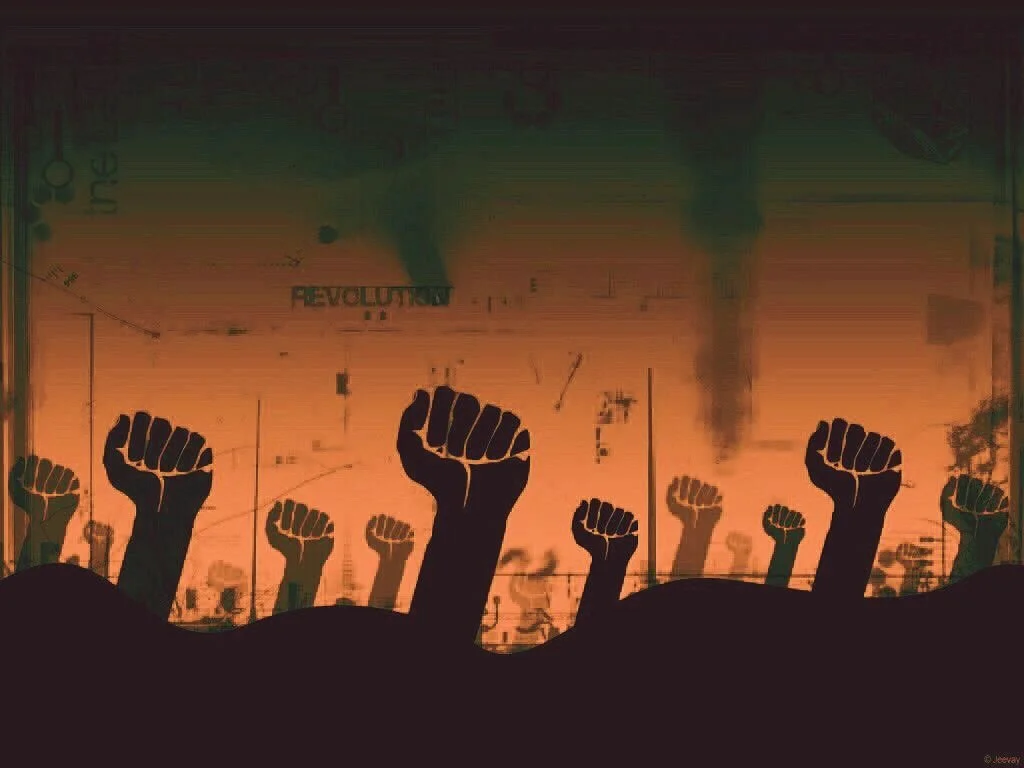
I propose a “creative revolution”. A normal revolution is the “forcible overthrow of a government or social order, in favor of a new system”. So what does that look like creatively?
It looks like a shift in power and pay dynamics. It’s companies deciding to care about more than just profit, trusting (and empowering) their leaders, and investing in quality, creative solutions to grow.
It’s creative professionals being hired at their specialist rate, a rate that is sustainable and enables them to provide companies with incredible solutions.
It’s the customer feeling heard, seen, and connected to the brand that is vying for their attention and loyalty, walking away inspired to buy.
This new system is very possible. But it’s going to require some things.
It’s going to require companies to reflect on their impact of the world, respect the value of creative work, and take DEI seriously to stay ahead of the game. It’s going to require leaders to champion the talent that works under them, as well as demonstrating their value to decision makers, if it calls for it.
It’s going to require companies to listen to their leaders and their customers (something you should be doing no matter what).
Creative professionals are going to have to be more organized in their business, more confident in their solutions, and ready to provide better service than the competition (because you are truly worth the price). And customers must not only be vocal about what they want/need but also take action when you don’t get it. They must be in solidarity with creative professionals, the creators of the things they like, in order to what they want/need.
This isn’t some impossible dream. Just look at the examples of mini revolutions industry wide.
The Examples
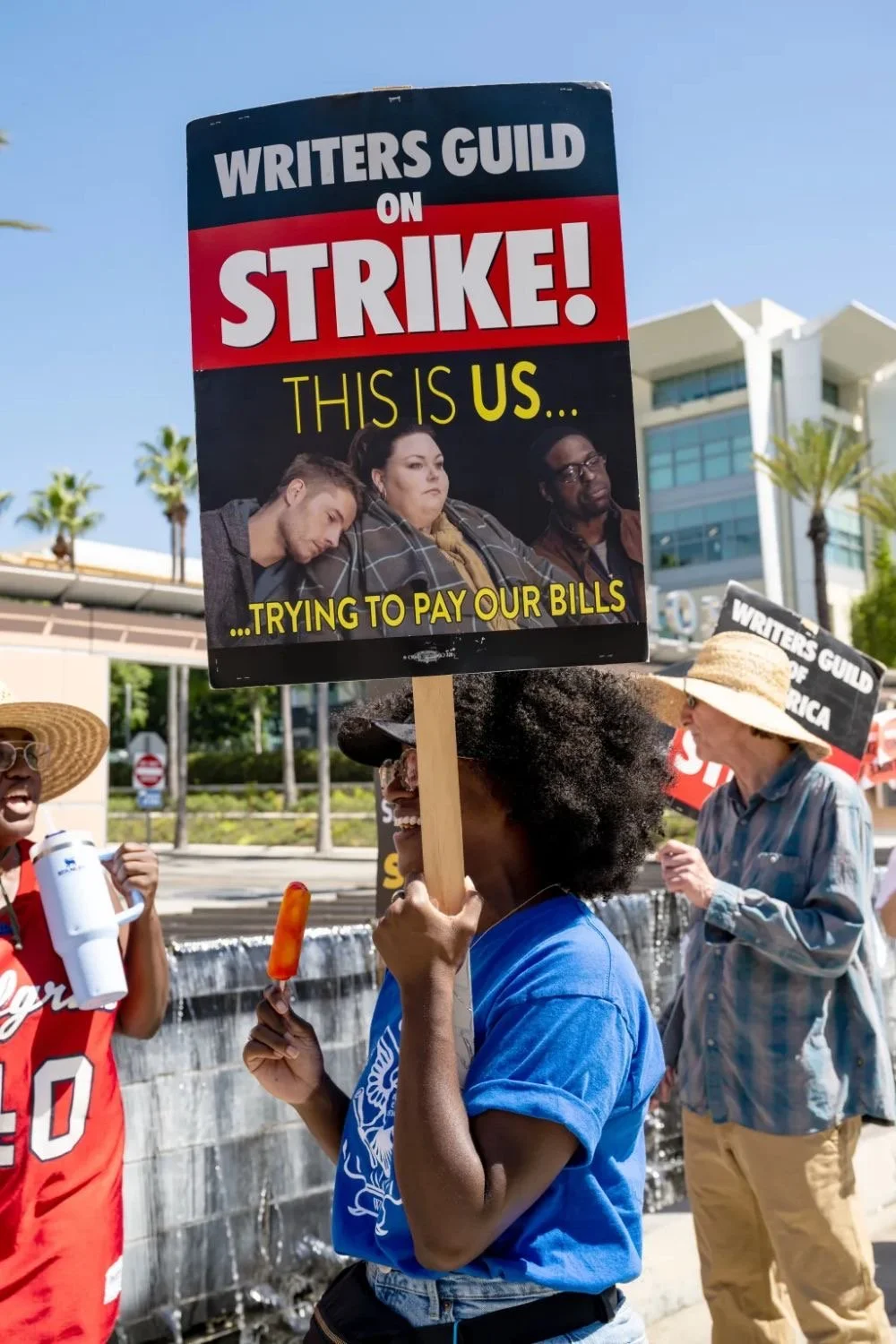
How about the long list of Hollywood strikes (writers, actors, animators, musicians, etc.) that have been occurring since the 1930s? Most notably (and recently) the 2023 Writer’s (along with SAG-AFTRA’s) strike that lasted 148 days, one of the longest labor stoppages they’ve ever performed.
These creative professionals fought for industry change and reaped the benefits, settling on an agreement that provided them with increased pay, health and pension contributions, streaming residuals and more.
Then there’s the Maxine Shaw Effect. Maxine Shaw was a character on the hit television series Living Single and has inspired countless C-Suite leaders to pursue careers in law and politics in the decades since. This is not hyperbole, they have the stats to prove it:
1-in-3 black women lawyers say Maxine Shaw directly influenced their choice to go to law school (33%)
8-in-10 black women professionals say Maxine Shaw inspired them to be leaders in a male-dominated profession (79%)
Two-thirds of black women professionals say Maxine Shaw showed them that they could have a successful career and fulfilling personal life (65%)
This is the real time impact of art and creativity in a professional setting. This is the kind of positive change we need more of in the world. This is the kind of results that revolution brings.
Take Action

To sum all of this up:
C-Suite Leaders — do your part by advocating for creative professionals, their pay, and their value in the workplace.
Customers — continue to let us know what’s important to you by being vocal and supporting creative professionals.
Creative Professionals — change industry standards by standing on your premium price, providing quality service, and creating the undeniable work only you can create.
With all of these things in harmony, we can create a better creative ecosystem and world for all those who love creation.
What will your next move be?
